MIRA新伝統
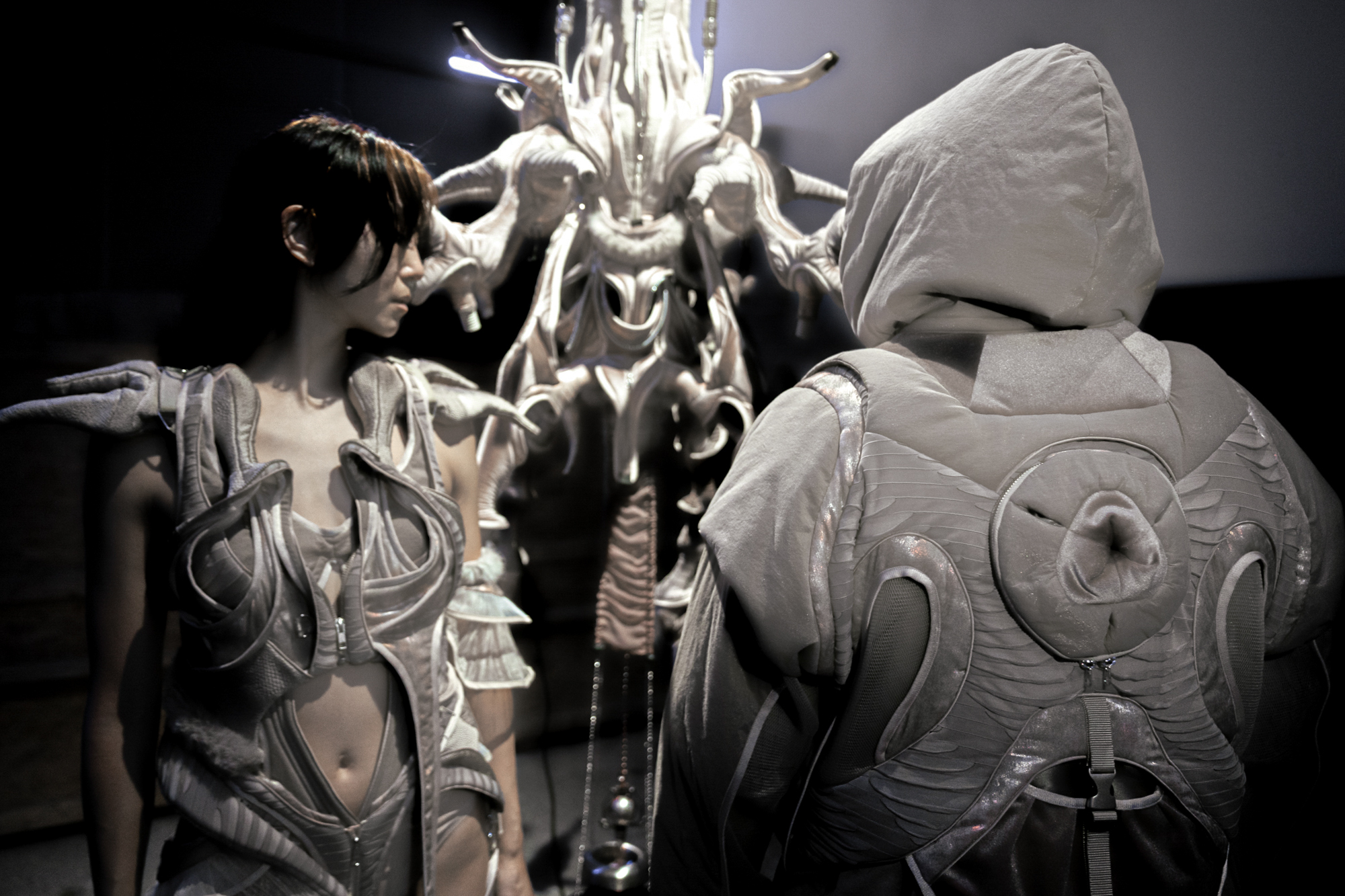
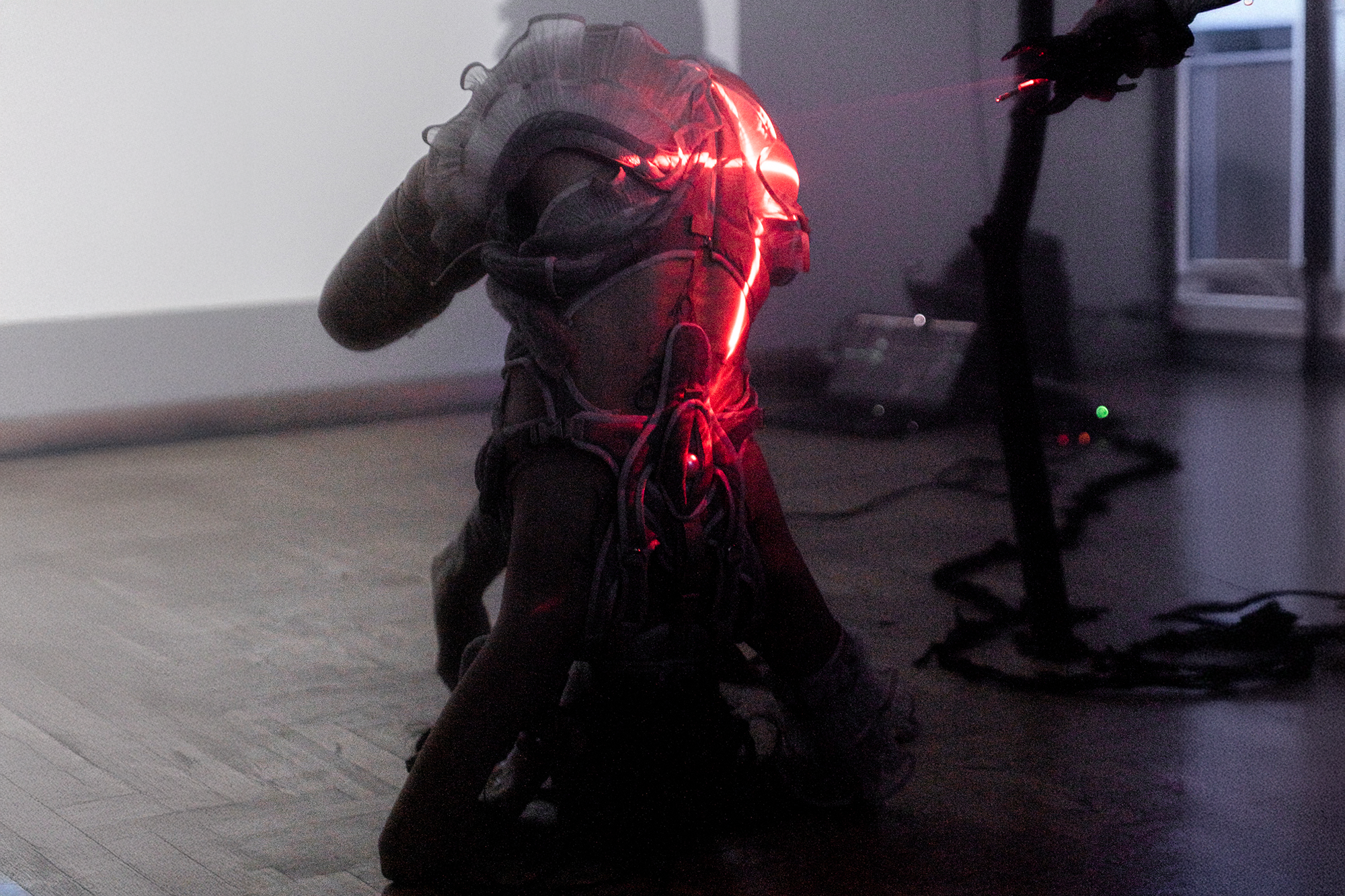
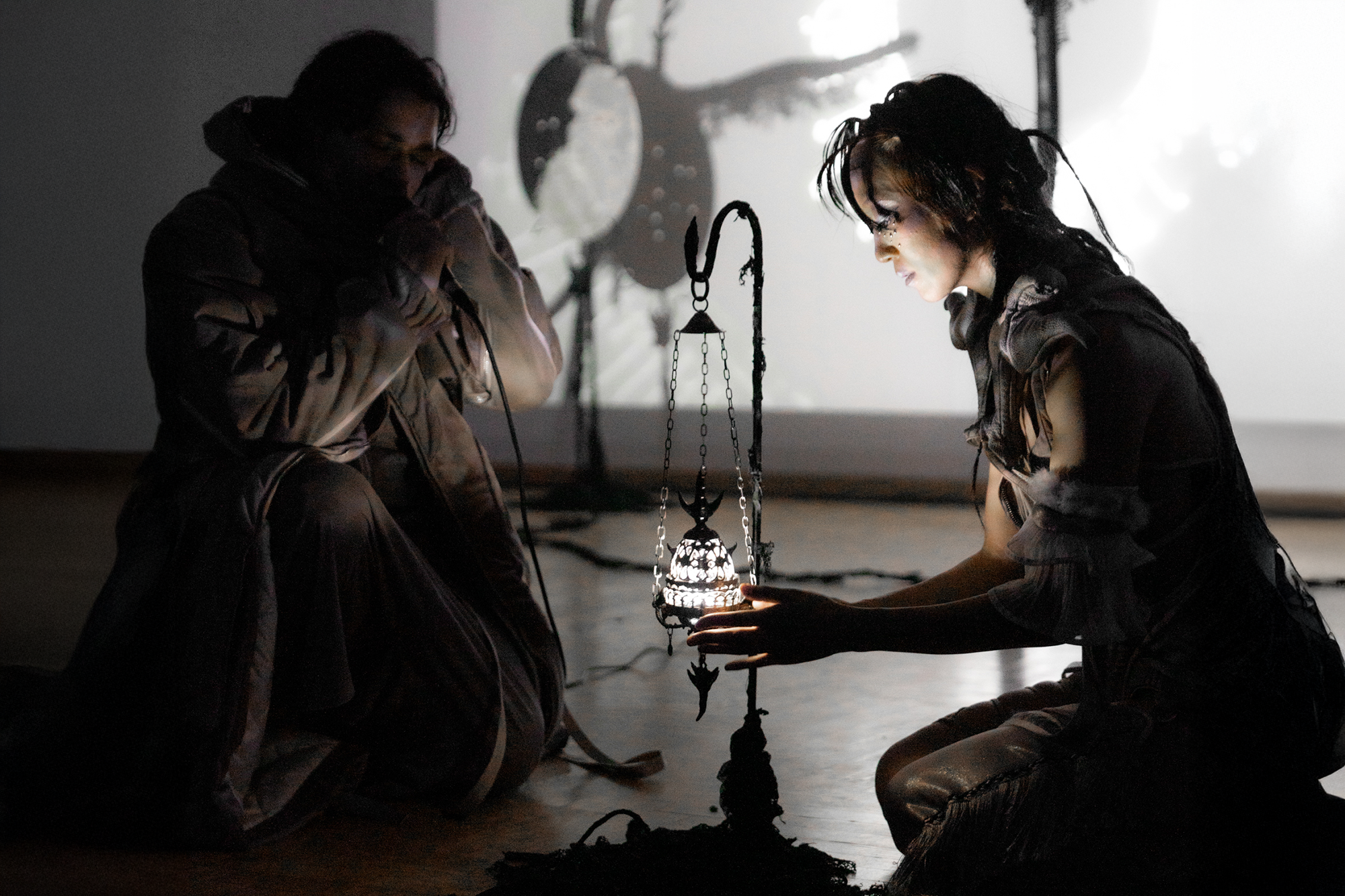
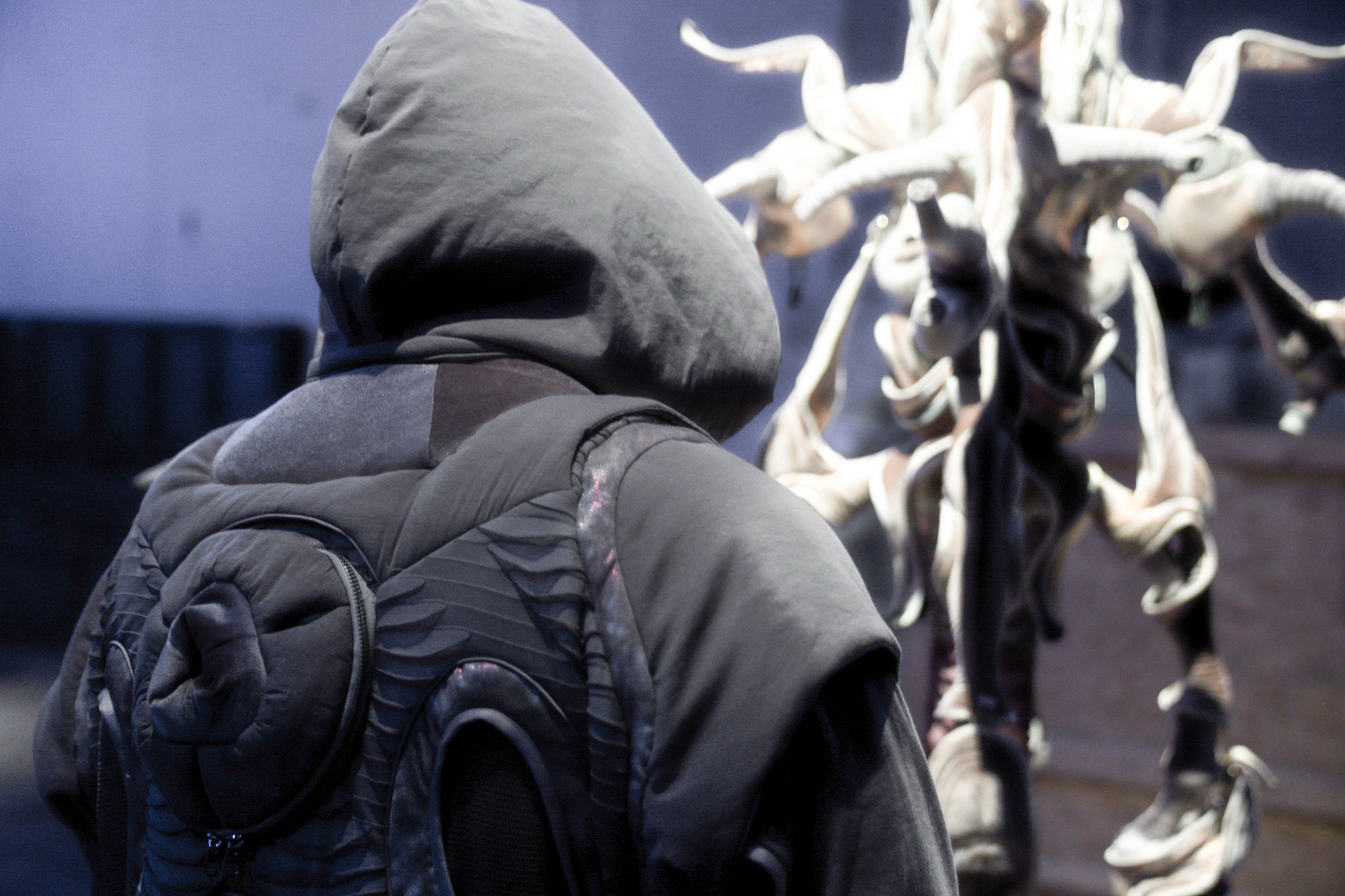
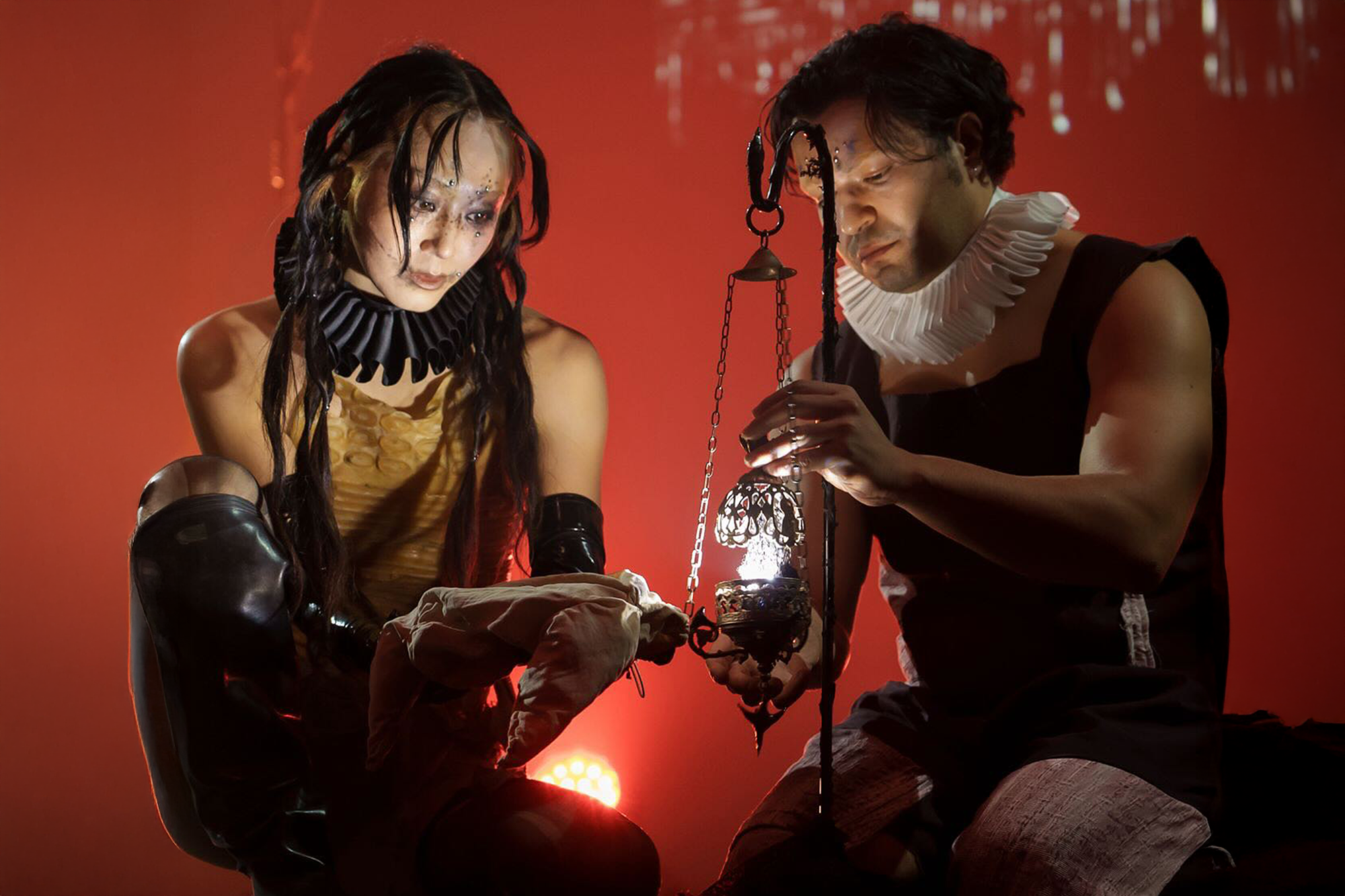
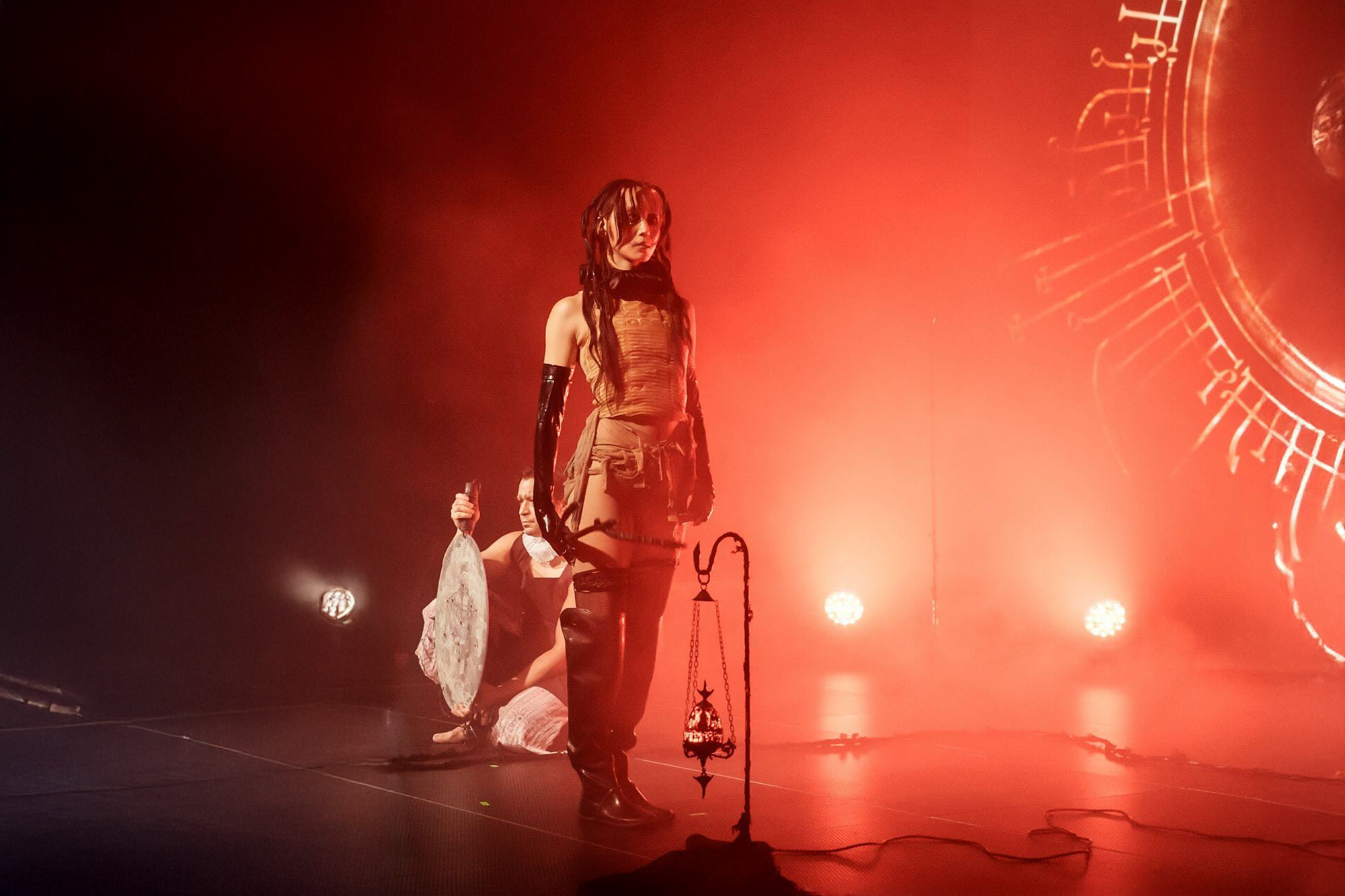
Founded in Tokyo in 2018 and now based in Athens, MIRA新伝統 is an audiovisual project by Raphael Leray and Honami Higuchi, merging ritualized performance, theory-fiction and electronic music.
Mythoplaxy (2026)
Label: Infinite Machine
Mythoplaxy is MIRA新伝統’s debut full-length release (Infinite Machine, 2026). Moving away from dystopian club tropes and gallery conventions, the duo draw on Shinto-derived ritual, popular theatre, and mythic narration. Eleven sonic tales form a symbolic architecture, resonating with Federico Campagna’s arguments for myth and symbolic language as survival beyond the ontological reductionism of Technic.
In their work as MIRA新伝統, Honami Higuchi and Raphael Leray combine music with elements of theater and visual art for a final product that operates on multiple levels at once. It’s heady stuff, so much so that I’d rather let the duo speak for themselves about the complex ideas behind their music rather than bungle it by attempting to summarize (which I almost certainly would).
The good news is that you can enjoy the music first without diving into the ideas behind it; Higuchi and Leray create a beautifully eerie sound world full of synths that slope and rattle and pop and ghostly vocals that drift forlornly across the top.
The drums, when they appear, stutter and trip forward rather than pulse in time, making songs like “Thesmophoria” feel as much like machine language as dismantled club tracks.
The vocals, when they appear, only add to the disorientation; in “Circus in Town,” Leray speak-sings verses like “Watch out, here come the clowns” in a deep baritone, sounding like Ian Curtis in a duet with a Simon that’s fritzing out.
If you’ll forgive me a little floweriness: There’s something almost bioluminescent about Mythoplaxy: weird glowing tendrils of pink and green waving against a dark skyline, gradually entangling you.
Bandcamp Daily EssentialsNoumenal Eggs (2022)
Label: Subtext Recordings
Inspired by empty Shibuya streets and post-industrial coastlines, Noumenal Eggs explores Otherness, dissonance and post-Capitalocene subjectivity. Drawing on Deleuze and Guattari’s desiring machines and the theory-fiction of Reza Negarestani, the EP fractures time, body and sonic continuity.